About Melilla
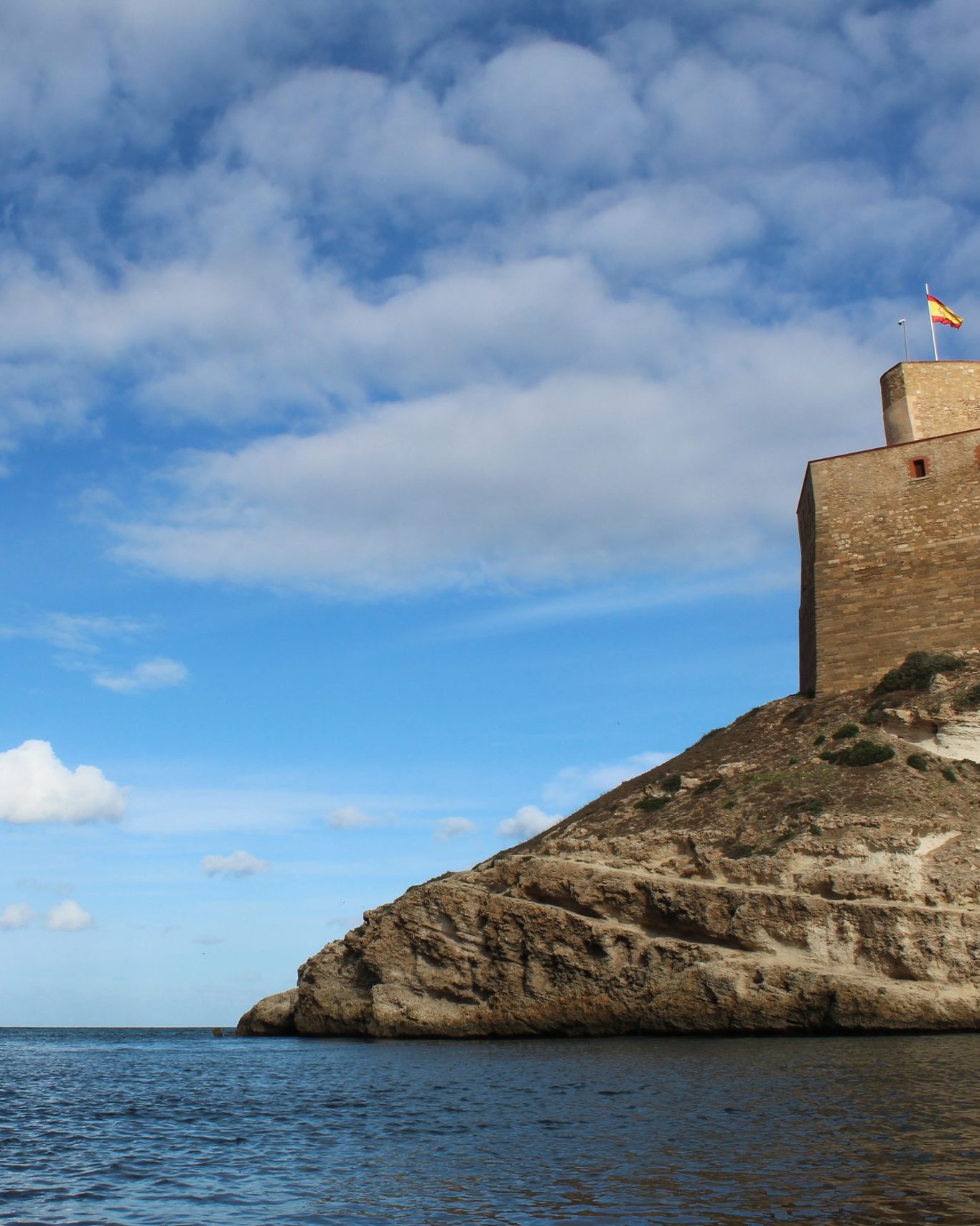
Tucked on the coast of North Africa, Melilla stands proudly as a piece of Spain, albeit one that is a little further removed from the Iberian peninsula. Its raucous bars and frolicking beachgoers reflect its Spanish sensibility, one which stands in sharp contrast to an otherwise repressive region. Yet while Melilla’s skyline of church spires and fortresses might look decidedly Spanish, they are built upon the foundations of the legendary Phoenicians.
8th Century BC
Phoenician foundations
Melilla’s origins lie in a people long since disappeared—the Phoenicians. Famed traders and seafarers who crisscrossed the Mediterranean, the Phoenicians set up trading ports in some of North Africa’s best coastal locations. One of these port settlements which the Phoenicians established was known as “Rusadir” and over time this port city came to be called Melilla.
3rd Century BC – 15th Century AD
Changing hands
In the centuries that followed the departure of the Phoenicians, Melilla’s prime location meant it came under the control of various warring empires, including the Carthaginians and Romans. Some of them had a harder time holding onto Melilla than others, but one set of rulers—the Islamic sultans—were so weakened after their decades of dynastic infighting that they proved entirely incapable of keeping hold of Melilla when the Spanish began searching for a base in North Africa.
15th Century AD
The two men who made Melilla
Around the same time as the Spanish were setting their sights on the region, a local North African man known as Andrés de Melilla (his birthname is unclear; he became known as Andrés after pledging allegiance to the Spanish Crown and renouncing his Islamic beliefs) agreed to cede to the Spanish his land in and around Melilla in favour of Torrox.
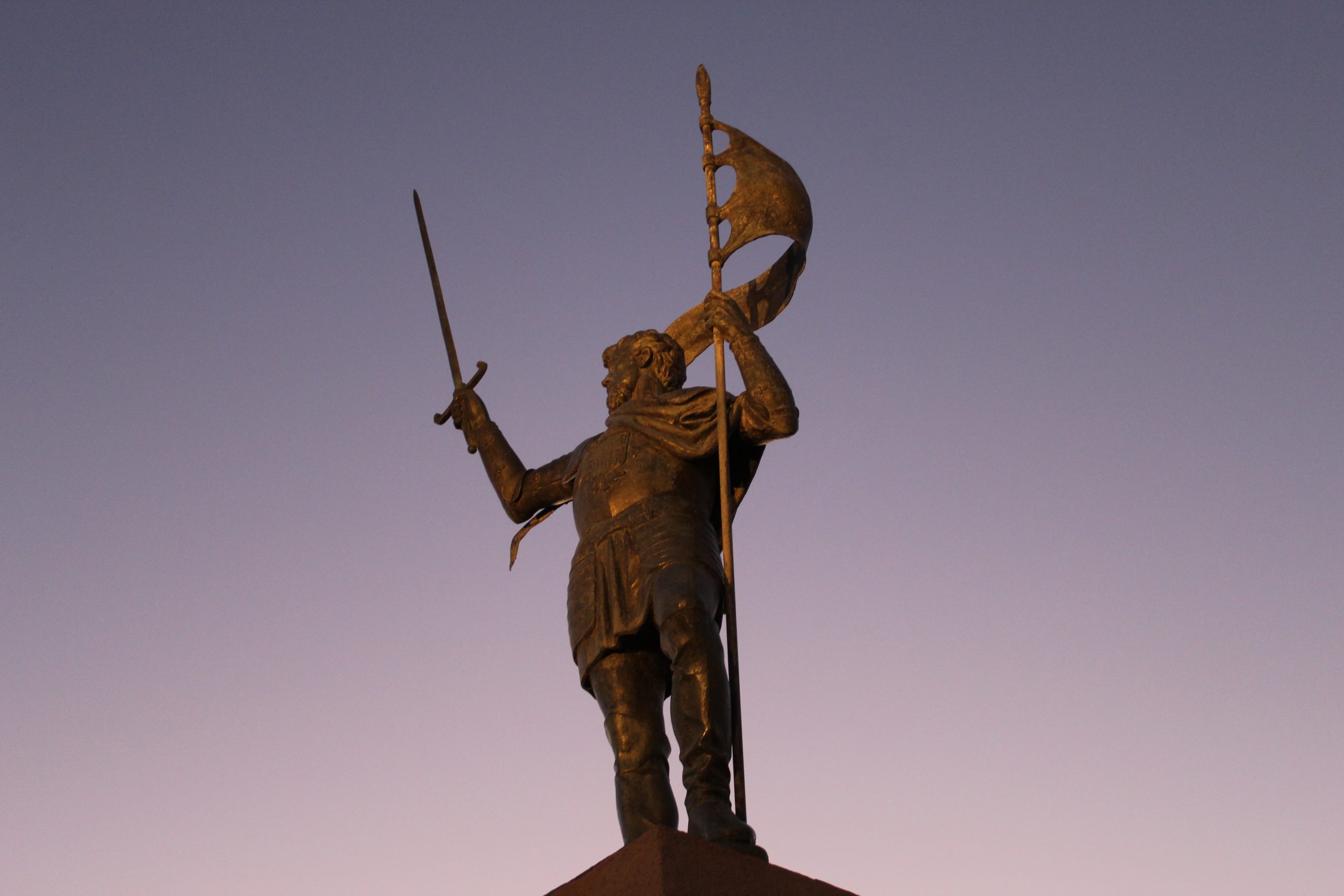
Andrés de Melilla’s decision set the stage for the Spanish Duke of Medina-Sidonia to launch his own North African expedition in 1497 for which he selected Pedro de Estopiñán as commander. Estopiñán seized the city in a single day and in so doing cemented Spain’s influence in Melilla.
1774–1775 AD
Mohammed’s defeat
In the late 1700s, a shadowy alliance was formed between the Muslim sultan of Morocco, Mohammed ben Abdallah, and the Protestant king of Great Britain, George III. The two joined forces to lay siege to Melilla with their combined forces far exceeding those of Spain’s courageous defenders.
Hope for Melilla, however, would come from the Emerald Isle. Irish Catholic John Sherlock was given command of Spain’s vastly outnumbered forces and he certainly rose to the challenge of his posting. The pious Irishman, called “Juan” by the locals, used his superior intelligence and strategising, as well as sheer willpower, to issue a punishing defeat to the bumbling Mohammed.
19th Century AD – Present Day
A modern architectural gem is created
The surge in Spanish migration to the city over the past couple of centuries has left an indelible mark on the look and feel of Melilla’s streets. Central to much of this urban redevelopment was the esteemed Catalan architect, Enrique Nieto, whose early 20th century works include some of Melilla’s most notable buildings. Thanks to Nieto’s hard work and creativity, Melilla is now the city which boasts the most Spanish modernist buildings after Barcelona, something which continues to draw those with a penchant for architecture to this little bit of Spain in North Africa.
Common questions about Melilla
Why visit Melilla?
Aside from a pleasant seaside and great entertainment, Melilla is famous for its architectural heritage, including a significant number of modernist and art deco buildings. Melilla’s neo-Romanesque Cathedral of the Sacred Heart—and the avenues of ornate buildings which surround it—are worth the trip alone.
Is Melilla part of Spain?
Melilla is part of Spain, and it has been Spanish since 17 September 1497 when the Spaniard Pedro de Estopiñán led a group of men to free Melilla from the control of the Wattasid sultan. While some may find it curious that Spain still keeps hold of tiny and remote Melilla, the reason for this is remarkably simple: hundreds of years on from Estopiñán’s expedition, tens of thousands of Spanish people continue to call Melilla home, and the city remains deeply rooted in Spanish culture.
Is Melilla part of the European Union?
Melilla is Spanish territory so it is a part of the EU. However, visitors should take note of a key point of difference: while Melilla is part of the EU, it is not part of the Schengen Area. This means that travellers going to and from Melilla (even if they are going via a member of the EU) are subject to border checks. All visitors to Melilla should therefore ensure they have the appropriate travel documentation as they cross from Melilla to the Schengen Area, or vice versa.
What are the Melillan people like?
According to official information published by Spain’s Centro de Investigaciones Sociológicas, approximately two thirds of Melilla’s residents are Spanish Catholics. Other groups present in the city include a community of around 1000 Sephardic Jews, a community of around 100 Sindhi Hindus, and Islamic acolytes who are divided into Berber Muslims and Arab Muslims (thousands of whom are transitory visitors granted daily passes to work jobs or buy supplies unavailable in their Moroccan hometowns). Drawn by a common language and faith, there are also increasing numbers of Central and South American Catholics.
Is Melilla a safe destination for people to visit?
In Melilla, professional law enforcement patrols the streets, CCTV is commonplace, and most parks and public spaces are well lit. As always, care should still be taken when walking alone or at night.
How expensive is Melilla?
Melilla has a slightly different system of taxation to mainland Spain and this means that some items are actually cheaper in Melilla than they are in larger Spanish cities. That said, many of the products sold in Melilla need to be shipped in which can make some items comparatively more expensive. In general, Melilla can be a good place to bargain hunt, but finding great deals may require some legwork.
What is the expected donation amount when visiting Melilla’s historic monuments?
In many cities, visitors pay an upfront admission fee to gain access to local monuments. Melilla’s greatest historic monuments, its chapels and churches, are typically free to visit unguided. Of course, these are all historic structures which require costly upkeep so while there may be no expected donation amount, visitors are still encouraged to give generously. This can be done by inserting Euro-denominated notes or swiping a bank card at the designated donation boxes located near the entrances.
How critical is it to be able to speak Spanish?
As a part of Spain, almost all of Melilla’s residents speak Spanish. Common phrases in English, such as greetings and expressions of gratitude, are likely to be well understood. However, given there is much less exposure to English-speaking tourists in Melilla than in major Spanish cities such as Madrid and Málaga, greater familiarity with Spanish will make things go just that bit easier. Because of Melilla’s growing popularity with Central and South Americans as a place to settle, visitors might also notice some variations in the Spanish spoken by some residents.
How real is the threat of violence from Islamic extremism?
While North Africa may be synonymous to many people with Islamic terrorism, Melilla has been under the Spanish Crown for over 500 years which has meant both groups in Melilla’s modest Islamic community (the Berber Muslims and the Arab Muslims) have learnt to first and foremost submit to Spanish norms. This fact about Melilla is encapsulated perfectly in the work of local artist Mustafa Arruf whose public sculptures in Melilla include a hilal crescent—important to Muslims—formed from the body of a completely unclothed woman. In addition to free expression in public art, all Melillans accept the display of legs of ham in the open air as well as the al fresco consumption of alcohol. Many Berber and Arab Muslims themselves even partake in this drinking, as well as in smoking and gambling in the salones de juego; in fact, these defunct Muslims actually constitute a major portion of the Maghrebis in Melilla and in neighbouring North Africa too. Plenty of them have even formalised their disavowal of Islamic teachings by following the example of Melilla’s celebrated founder, Andrés de Melilla, who underwent a process of Hispanicisation and renounced his Islamic beliefs.
What is Melilla’s climate like?
North Africa’s climate can easily catch unsuspecting people off guard. While at certain times temperatures can soar as warm winds blow from the desert or the sea, at night and during the winter months temperatures can be downright chilly. Wet weather gear beyond a basic travel umbrella or raincoat is not really necessary in Melilla, but sufficient warm clothing is a must. If out and about in the city, it also pays to dress in layers to adjust to the often significantly differing temperatures between shaded and unshaded areas.
Do visitors to Melilla need to carry ID with them at all times?
According to Spanish law, people are required to be able to provide official photographic identification to the police, if requested. While Spaniards can produce their national identity card (called a DNI) or a Spanish passport, visitors who are not from Spain may be asked to produce an equivalent official, government-issued identity document. These should be kept securely on hand in case they are requested by Spanish police.
Is it necessary to rent a vehicle in Melilla?
Melilla is only 12 square kilometres which means the city is highly walkable. On arrival it may be advisable to take a taxi to the hotel or rental accommodation as this is the easiest way to transport luggage from the ferry or airport terminal. However, once settled into accommodation, it is perfectly plausible to get everywhere on foot. Taxis can of course be used for those who tire of walking, are carrying shopping, or alone at night. There is also a municipal bus service which is reasonably inexpensive and reliable.
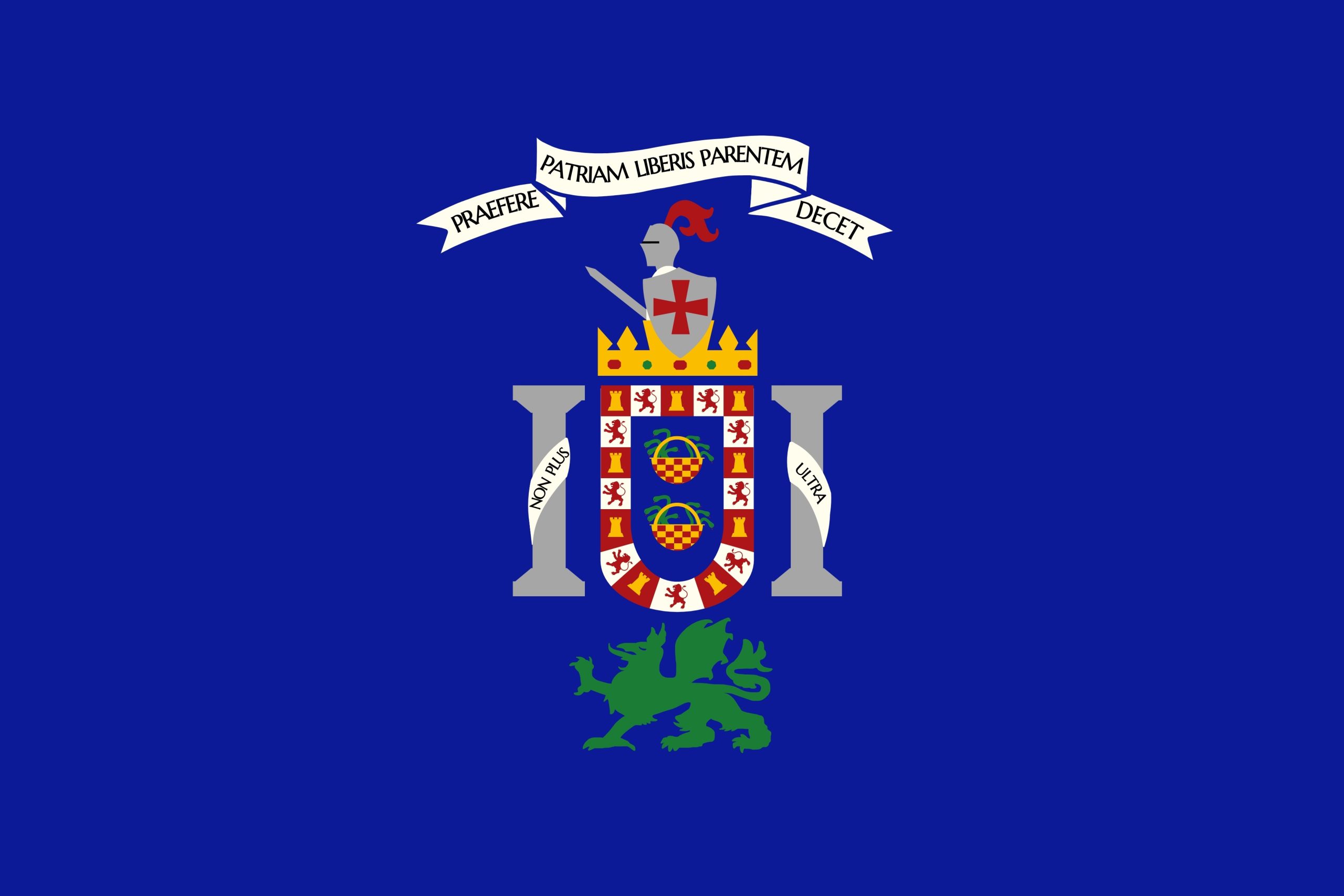
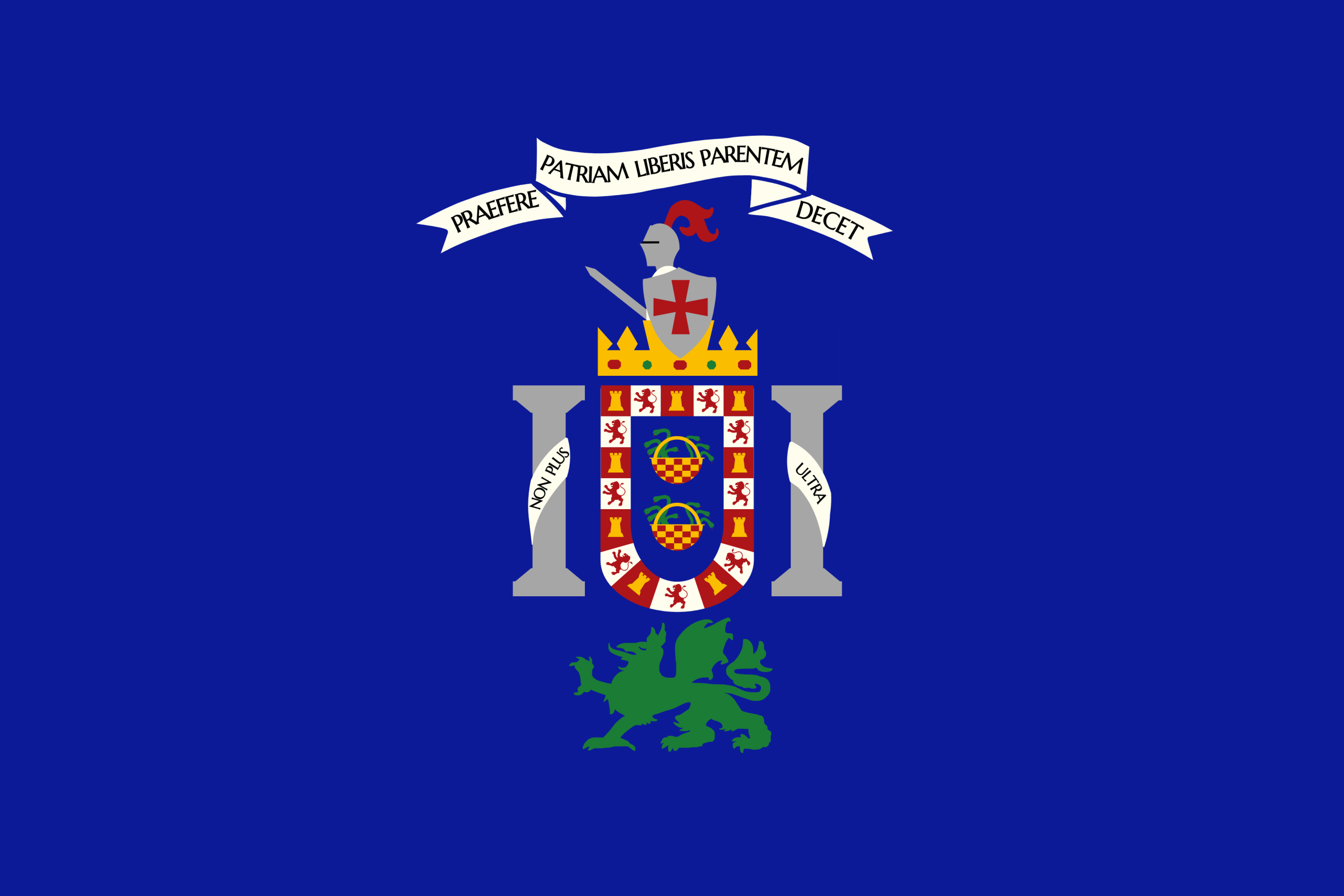
Melilla’s Flag
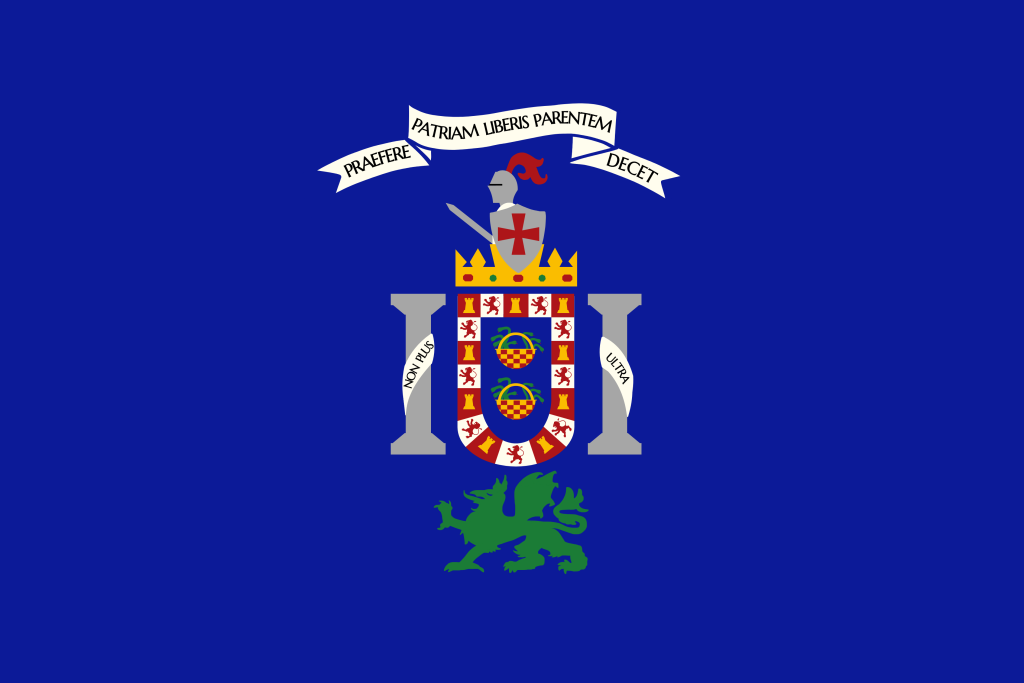
Melilla’s flag tells the story of how pious Spanish soldiers defeated a traitorous Spanish usurper who had allied himself with Marinid and Nasrid Muslims. The Melillan flag also references the Duke of Medina-Sidonia who was instrumental in supporting the 1497 expedition of Pedro de Estopiñán.
Celebrate Melillan history and heritage by downloading and sharing our Melillan flag images—all without the cartoonish black outlines or garbled mottos of other versions. Melilla.travel design staff have even designated these images as public domain so they can be freely used and reproduced.
What you need to know…
Melilla is a part of Spain and a bastion of Spanish identity, the Spanish language and Catholicism. In modern-day Melilla, all this still reigns supreme, just as it has done for more than 500 years.
Last updated 17 September 2026