Things to do in Melilla
Despite Melilla’s compact size, the city certainly has plenty to offer tourists. With its relaxed Mediterranean lifestyle, a city centre full of incredible architecture, and welcoming people happy to showcase their traditions, visitors to Melilla should find plenty to keep themselves occupied.
Top activities
Explore the streets
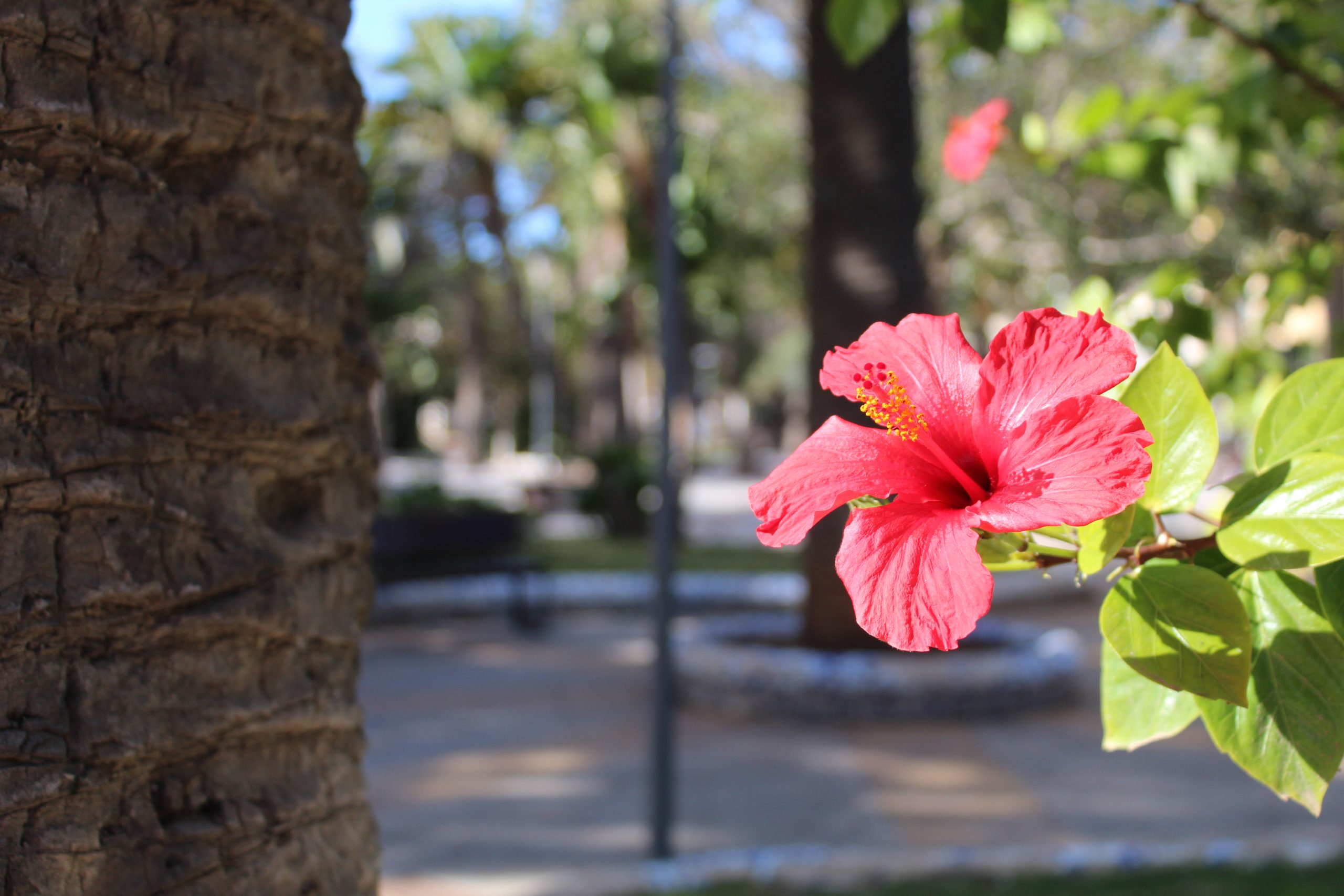
One of the most enjoyable things to do in Melilla is to simply take an afternoon stroll through the streets of the city centre. Basking in the warmth of the African sun amongst avenues of beautiful buildings is one of the best ways to get a feel for what Melilla is all about. Start at Melilla’s Cathedral of the Sacred Heart (known to Spaniards as the Iglesia del Sagrado Corazón), detour past the impressive fortress of Melilla la Vieja, then head to Plaza España to take in 360 degrees of outstanding art deco and modernist architecture. The giant letters which spell out Melilla’s name there are the ideal backing for a self-explanatory selfie, and the colourful botanicals in nearby Parque Hernandez also look great in a holiday snap.
Go to the beach
It should come as no surprise that a city founded by the seafaring Phoenicians is perched on some of North Africa’s best coastline, and Melilla’s typically blue skies and gentle breezes mean that almost every day is a beach day at the city’s Playa de los Carabos. Melilla’s coastline is not only good for a cooling dip though; those who have packed their boards will be stoked to find that the southern end of Melilla’s Playa de la Hípica gets waves which draw in a small but dedicated surfing community.
See a show
The Kursaal theatre in the centre of Melilla is a great location to experience local culture. Despite drawing all its talent from a city of only 80000 people, Melilla’s orchestra rivals those of Spain’s biggest metropolitan areas. Trained by local legend Ángel Lasheras, the orchestra often puts on performances at the Kursaal with free entry on a first come first served basis. Plays and dramatic performances are also a regular occurrence at the Kursaal, and they sometimes offer visitors the slightly surreal experience of seeing Televisión Melilla’s presenters don wigs and stage makeup as they trot the boards. Stop by the Kursaal’s box office to see upcoming shows and buy tickets, many of which go for around 10€ each.
Taste the cuisine
As a Spanish city, Melilla is home to all the classics of Spain’s cuisine, from a scalding pan of paella to a dainty lineup of tapas. Melilla’s close proximity to Morocco and the rest of North Africa has also meant that some North African culinary influences have crept in; great if a spicy couscous is a dining-out favourite. For scraps to share with the seagulls, Melilla’s seafront is home to a number of greasy spoons and hole-in-the-wall kebab shops, but for more respectable fare, the city centre is where Melilla’s better restaurants are located. Those who enjoy a tipple also need not worry; Melilla is not some repressive Maghrebian city still trying to enforce prohibition. In fact, it is an open secret that Melilla’s Muslims also frequent the city’s bars when they crave a bit of booze. However, while Spaniards, Muslims, and tourists alike have an abundance of bars to pick from, disorderly drunkenness is still generally frowned upon so visitors should pace themselves.
Best events
Christmas
December
Melilla’s modernist buildings look good all year round, but they really come into their own during December when visitors can take an evening walk and see the city’s architecture draped in twinkling Christmas lights. With freshly roasted chestnuts available from local kiosks and Christmas carols sung in the city’s plazas or played through the CBD’s hi-fi systems, Melilla almost rivals the North Pole for that classic Christmassy feeling. People are even known to travel from other parts of North Africa just to load up on Melilla’s yuletide vibes and share that Christmas cheer with the grinches back home.
Melilla Day
September 17
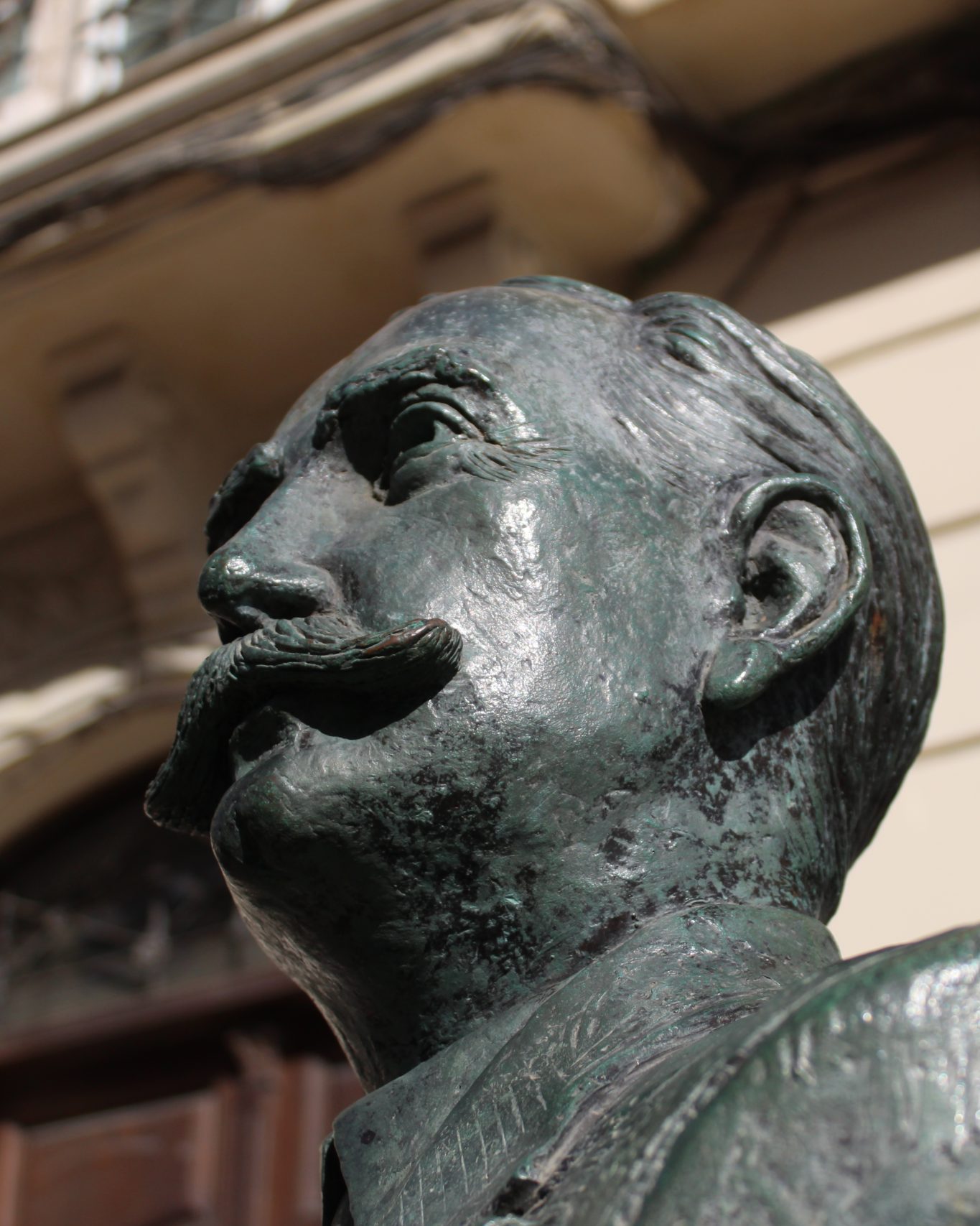
Europeans and Americans have Victory Day to celebrate the defeat of the Nazi Third Reich, and Melillans too celebrate victory over an equally reviled enemy—the Islamic sultanate. Every year on September 17 (El Dia de Melilla), civic pride abounds with stirring speeches and patriotic marches to mark the day in 1497 when the Spaniard Pedro de Estopiñán and his men liberated Melilla from the Wattasid sultan. More than half a millennium on from that fateful day, Melillans still give thanks every year for Estopiñán’s victory and the freedom they enjoy as a result.
Semana Santa
Week preceding Easter Sunday, varies every year
For sheer spiritual devotion, there can be no more beautiful period in Melilla’s calendar of events than during what Melillans refer to as Semana Santa. This week—which precedes Easter Sunday—is full of extraordinary demonstrations of the locals’ faith. Catholics, young and old, proceed through the streets of Melilla in perfect unison as they carry aloft sacred statuary. Brass bands and drumbeats provide the backing, and groups of locals stop and gather on footpaths to also show their support and devotion.
Mercado de Carlos V
June
In the middle of the year, Melilla’s Mercado de Carlos V celebrates Spain’s beloved history of brave Crusaders, castle sieges, and Reconquista heroes. Melilla’s historic fortress serves as the perfect backdrop to this medieval market which offers period food and souvenirs for sale. Granted, accuracy takes a backseat thanks to inclusivity-driven anachronisms and other bits of fantasy, but at least fans of the late, great J.R.R. Tolkien will appreciate some of the organisers’ poetic license.
What you need to know…
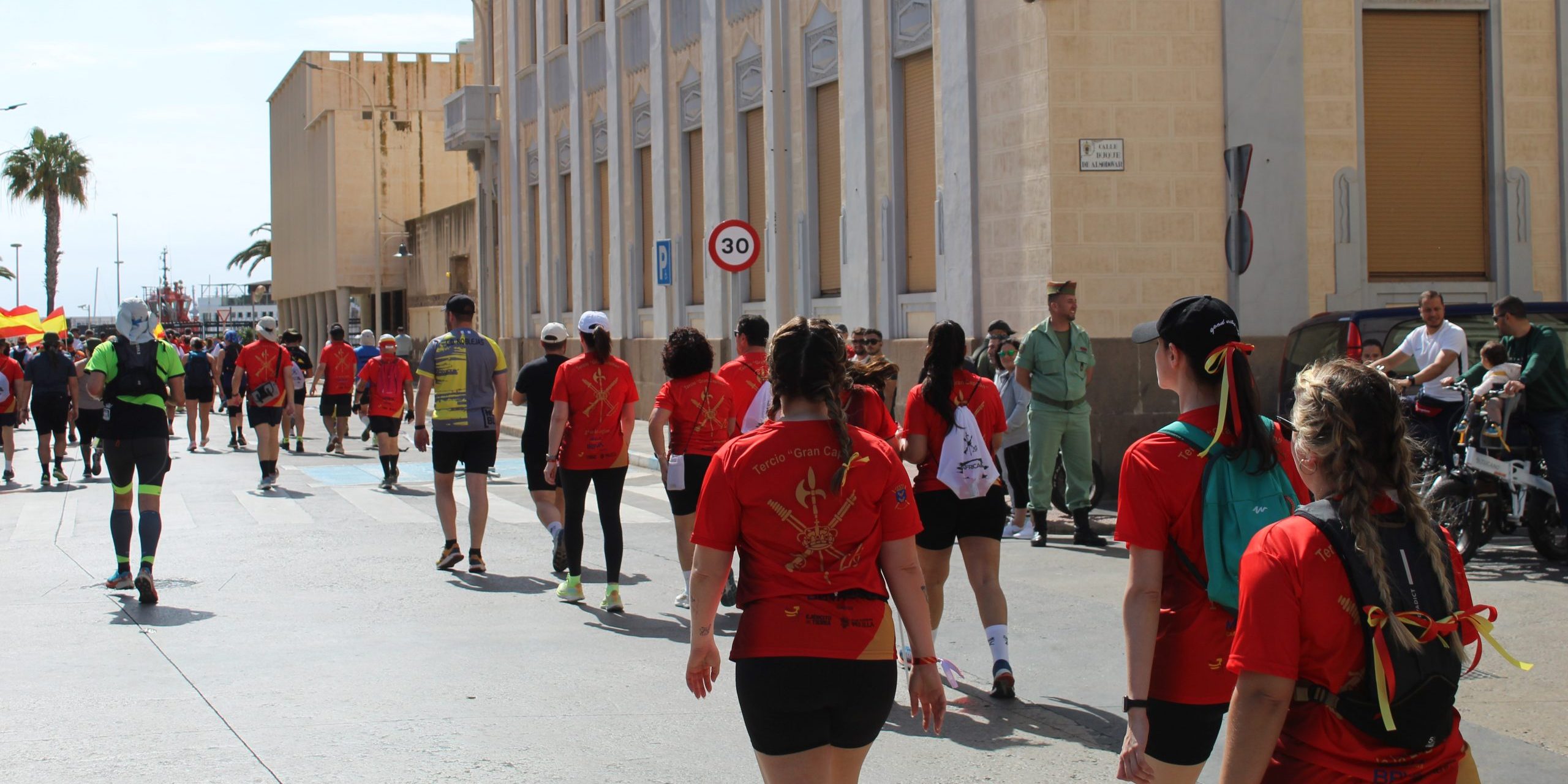
Melilla’s heritage, culture, coastline, and architecture is all best seen and experienced on foot. The ideal way to soak up all that the city of Melilla has to offer is simply to walk its streets.
Last updated 1 September 2026