
Getting to Melilla
Melilla is much easier to get to than many people believe. Forget traversing the dangerous deserts and roads of the Maghreb, Melilla is perched right on the edge of North Africa’s Mediterranean coast, easily accessible from peninsular Spain. Only a short ferry ride—or flight—away from some of Spain’s largest cities, this bit of North Africa is well within reach.
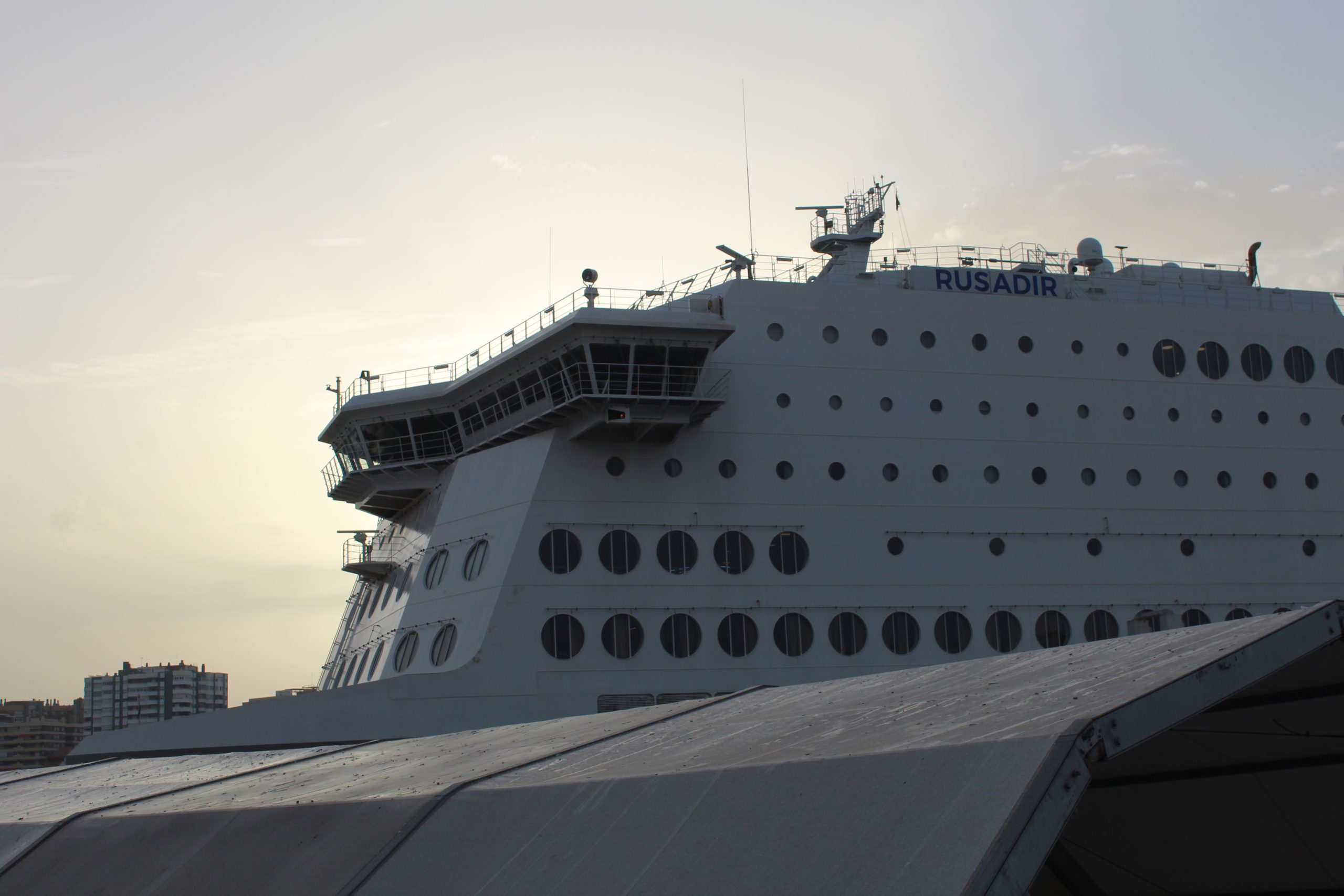
Going by sea
Points of departure
Melilla’s primary ferry routes are via several ports situated on the southern coast of peninsular Spain; these include the ports of Málaga and Almería, as well as Motril. It is important to note though that these routes, and the entire sailing schedule too, can be changed by the ferry companies throughout the year due to variations in seasonal and commercial demand.
Service providers
Ferry crossings from the ports of Málaga, Almería, and Motril are conducted by two main companies: Balearia and Transmediterranea. Tickets can be booked through a travel agency, directly online through these companies, or at their counters situated in the ferry terminal. Spain offers large discounts to those travelling to or from its more distant territories provided someone is registered as living in these places and has the appropriate paperwork. (These territories include Melilla, as well as Ceuta and the Canary Islands.) Tourists who do not meet this criteria—almost no one from outside Spain who is simply visiting Melilla will be eligible—should not attempt to apply these discounts when purchasing ferry tickets online. If they do, they will likely be forced to pay the difference at the company’s ferry terminal counter before receiving their tickets or be denied entry to the vessel.
About the trip
Travelling by sea takes around half a day, subject to weather and maritime conditions. Most ferries are reasonably modern and allow travellers to book either a seat or an entire cabin if they want greater privacy. Ferry providers often offer nighttime sailings which allow travellers to sleep through most of the journey. However, those travelling at night without a cabin will need to be aware that if they doze off, their luggage is within reach of anyone on board. Fortunately, police are routinely deployed on vessels, but their focus is primarily centred around larger issues of cross-border criminality such as immigration fraud, Islamic terrorism, and narcotics trafficking. For those who get hungry, food is typically available on the ferries but the hours of onboard restaurants do vary. Some ferry services also allow passengers to purchase perfume, colognes, and liquor.

Going by air
Points of departure
Melilla can be accessed through a number of Spain’s largest airports; Madrid, Málaga, Almería, Seville, and Granada typically offer flights to Melilla. Tourist favourite Barcelona, however, only offers infrequent connections to Melilla by air. Similarly, there are only infrequent connections to Melilla from Spain’s Canary Islands, and the only island with a link to Melilla is Gran Canaria. In general, the easiest way to get to Melilla is to depart from Madrid or Málaga. This is especially true if travelling from another part of Spain or the wider EU.
Service providers
Iberia, Spain’s national carrier, offers a large number of flights to Melilla which are conducted through its regional subsidiary Air Nostrum. Some of the most well-known discount airlines—based in Spain and elsewhere—have also been known to sometimes offer flights. However, the availability of these depends greatly on the chosen airport. Tickets to Melilla can be booked using a travel agency, or online through a price comparison service, or directly with the airlines. Significant discounts are available to travellers going to or from Spain’s more distant territories. (These territories are Melilla, Ceuta, and the Canary Islands.) However, only people who are registered as living in these places and have the official municipality-issued paperwork to prove it are eligible. Travellers who are not eligible for these discounts—and almost no one from outside Spain who is simply visiting Melilla will be eligible—should not attempt to apply these discounts when booking with airlines. If they do, they will likely be required to pay the difference at check-in or be denied boarding.
About the trip
Irrespective of the point of departure from Spain, Melilla’s position on the coast of North Africa means travellers will spend only an hour or two in the air. As a regional service, meals are not typically included for those travelling on an economy “tourist” ticket. When arriving at Melilla’s small airport, bags can be collected at one of just a couple of luggage carousels after crossing the tarmac, and taxis can typically be found parked outside the terminal. When it comes time to depart from Melilla’s airport, travellers should be aware the last to check in may be denied boarding if conditions are too windy. These passengers will then be placed on standby which can last anywhere from a couple of hours to a couple of days. Because the airport’s small size does not allow for a lot of waiting space near the gates, those leaving from Melilla may also have to wait to clear security until after the departure of the preceding flight.
What you need to know…
Going by sea is the most reliable way to access Melilla while air travel is the quickest. Travelling overland to the city via its North African neighbours is a no-go because of the risk of Islamic terrorism.